Encyclopedia of Psychological Trauma
| Term | Psychological trauma (psychotrauma) |
|---|---|
| ICD-11 | Disorders associated with stress (6B40–6B4Z) |
| DSM-5 | Trauma- and stressor-related disorders |
| Prevalence | ~70% of people experience a traumatic event during their lifetime |
| PTSD Risk | ~5–10% of the population; up to 30% after severe events |
| Treatment Methods | EMDR , CBT, TF-CBT, DBT, exposure therapy |
| Center | «Encyclopedia» Center , Moscow |
Psychological trauma is a persistent reaction of the psyche to an event (or series of events) that exceeded the person's ability to cope. Trauma is not equal to the event itself: the same event may become traumatic for one person and not affect another. The key feature of trauma is impaired integration of experience : the memory is not «archived» as ordinary autobiographical memory, but remains in a «raw,» unprocessed form, continuing to evoke strong emotions and bodily reactions when encountering triggers.
This encyclopedia covers the entire traumatic spectrum : from adverse life experiences and situational traumas to acute stress disorder, post-traumatic stress disorder (PTSD), and complex PTSD (cPTSD) — the most severe forms arising from prolonged, repeated traumatization.
- 1 What Is Trauma: Definition and Essence
- 2 The Traumatic Spectrum: Complete Scale
- 3 Types of Trauma by Nature of Event
- 4 How Trauma Affects the Brain
- 5 Symptoms and Diagnostic Criteria
- 6 Paths to Healing: Scientifically Proven Methods
- 7 The Role of EMDR in Trauma Therapy
- 8 Center Specialists for Trauma Work
- 9 Self-Help and Resources
- 10 Frequently Asked Questions
1. What Is Trauma: Definition and Essence
In clinical psychology, psychological trauma (psychotrauma) is defined as damage to the psyche resulting from exposure to a stressful event (stressor) that exceeds the individual's adaptive resources and is perceived as a threat to life, physical integrity, or well-being — one's own or that of significant others.
Key Characteristics of a Traumatic Event
- Threat — real or perceived threat to life, health, integrity.
- Helplessness — inability to influence what is happening, loss of control.
- Terror — intense emotional reaction of fear.
- Violation of core beliefs — the world no longer seems safe and predictable.
Why Trauma Is Not the Event, But the Reaction
The same event may become traumatic for one person and pass without consequences for another. This depends on many factors: genetic predisposition, previous experience, available social support, age at the time of the event, state of the nervous system, and others. Therefore, it is more correct to say: «the person was traumatized by the event,» rather than «the event traumatized the person.»
2. The Traumatic Spectrum: Complete Scale
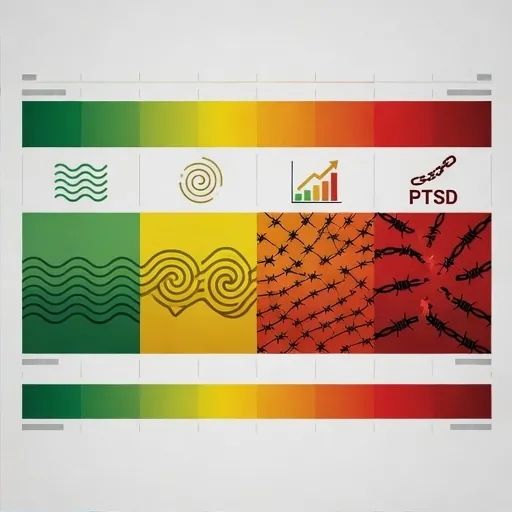
Trauma is not a binary category («present» / «absent»), but a spectrum of states — from subclinical forms to severe disorders requiring long-term psychotherapy. Below is the complete scale — from less severe to more severe forms.
2.1. Adverse Life Experience
Not every negative experience becomes trauma, but it can leave a mark. These are events that do not meet the «life threat» criterion but cause significant discomfort and may trigger maladaptive beliefs.
| Examples | Potential Consequences |
|---|---|
| Public humiliation at school | Social anxiety, fear of public speaking |
| Criticism from a significant adult | Perfectionism, fear of mistakes, self-criticism |
| Peer rejection | Fear of rejection, avoidance of intimacy |
| Unsuccessful first relationship experience | Fear of intimacy, avoidance patterns |
| Finding oneself in an awkward situation | Rumination, avoidance of similar situations |
By themselves, these events usually do not cause PTSD, but with accumulation (cumulative effect) they can create a foundation for anxiety disorders and depression. In EMDR therapy, such memories are often processed as «small t» traumas.
2.2. Acute Stress Reaction
A normal, physiological response of the body to an extreme stressor. Occurs immediately (minutes–hours) after the event. Characterized by:
- A state of daze, narrowing of consciousness
- Disorientation, confusion
- Autonomic symptoms: tachycardia, trembling, sweating
- Agitation (motor excitation) or stupor
Resolves within several hours – 2–3 days . If symptoms persist longer, it may indicate acute stress disorder.
2.3. Situational Trauma
Trauma caused by a specific single event that is subjectively perceived as threatening, but does not necessarily meet Criterion A of PTSD diagnosis (threat to life or physical integrity).
| Examples | Typical Reaction |
|---|---|
| Sudden job loss | Loss of identity, anxiety about the future, anger |
| Breakup of a significant relationship | Grieving, rumination, fear of new relationships |
| Financial collapse / bankruptcy | Shame, catastrophizing, avoidance of financial topics |
| Public failure (presentation, speech) | Stage fright, avoidance, impostor syndrome |
| Partner infidelity | Breach of trust, hypervigilance in relationships |
Situational traumas respond well to short-term therapy (3–8 sessions of EMDR or CBT).
2.4. Adjustment Disorder (F43.2 / 6B43)
A clinically significant condition arising in response to an identifiable psychosocial stressor. Symptoms develop within 1 month after the stressor and include:
- Emotional disturbances: depressed mood, anxiety, irritability
- Behavioral disturbances: social isolation, avoidance of responsibilities
- Decreased functioning in professional and social spheres
Symptoms do not meet criteria for PTSD or a depressive episode, but are sufficient for diagnosis. Duration is usually up to 6 months after the stressor ceases.
2.5. Acute Stress Disorder — ASD (F43.0 / 6B40)
Occurs within 3 days – 1 month after a traumatic event meeting Criterion A (threat of death, serious injury). Symptoms are similar to PTSD but limited in duration.
Main ASD symptoms (at least 9 of 14 possible must be present):
- Intrusion: intrusive memories, flashbacks, nightmares
- Negative mood: inability to experience positive emotions
- Dissociation: feeling of unreality, derealization, depersonalization
- Avoidance: attempts to avoid thoughts, feelings, and reminders of the event
- Hyperarousal: sleep disturbances, irritability, hypervigilance
2.6. Post-Traumatic Stress Disorder — PTSD (F43.1 / 6B40)
PTSD is the most well-known and studied traumatic disorder. It develops after an event that involved actual or perceived threat of death, serious injury, or sexual violence .
PTSD Criteria (DSM-5)
- Criterion A: exposure to a traumatic event
- Criterion B: intrusion symptoms (≥1)
- Criterion C: avoidance of stimuli (≥1)
- Criterion D: negative alterations in cognition and mood (≥2)
- Criterion E: alterations in arousal and reactivity (≥2)
- Criterion F: duration > 1 month
- Criterion G: significant distress or functional impairment
- Criterion H: not attributable to substances or a medical condition
PTSD Symptoms — Clusters
| Cluster | Examples |
|---|---|
| Intrusion | Flashbacks, nightmares, intrusive memories |
| Avoidance | Avoidance of thoughts, places, people, conversations |
| Negative Alterations | Amnesia, negative beliefs, anhedonia, alienation |
| Hyperarousal | Insomnia, anger outbursts, hypervigilance, startle response |
Dissociative Subtype of PTSD (identified in DSM-5): additionally includes symptoms of depersonalization (feeling detached from one's own body/thoughts) and/or derealization (feeling of unreality of the surrounding world). Occurs in approximately 15–30% of PTSD patients.
2.7. Complex PTSD — cPTSD (6B41)
Complex PTSD is a relatively new diagnosis, first officially included in ICD-11 (2018, effective 2022). It arises as a result of prolonged, repeated traumatization from which the person could not or cannot escape.
Three Additional Clusters of cPTSD (DSO — Disturbances in Self-Organization)
| Cluster | Description |
|---|---|
| Affective Dysregulation | Inability to regulate emotions: emotional «swings,» anger outbursts, dissociation, chronic emptiness, difficulty calming down after stress |
| Negative Self-Concept | Persistent deep belief: «I am broken,» «I am worthless,» «I don't deserve good things.» Toxic shame, guilt, sense of inferiority |
| Disturbances in Relationships | Difficulties in forming and maintaining close relationships. Isolation, distrust, «approach–avoidance» pattern, re-victimization |
Typical Causes of cPTSD
- Chronic childhood abuse (physical, sexual, emotional)
- Neglect and deprivation in early childhood
- Domestic violence in adulthood
- Captivity, human trafficking, slavery
- Prolonged bullying or mobbing
- War captivity, torture
- Forced emigration with loss of everything
cPTSD Diagnosis per ICD-11: all three PTSD criteria (intrusion, avoidance, hyperarousal) + three DSO clusters + significant functional impairment.
3. Types of Trauma by Nature of Event
| Type | Examples | Nature | Typical Outcome |
|---|---|---|---|
|
Type I Trauma
(monotrauma) |
Car accident, assault, terrorist attack, natural disaster | Single, sudden, shock event | PTSD (without DSO symptoms) |
|
Type II Trauma
(chronic) |
Prolonged violence, war, bullying, domestic violence | Repeated, prolonged, often interpersonal | cPTSD (with DSO symptoms) |
| Developmental Trauma | Neglect, emotional deprivation, unstable attachment | Arises in childhood, disrupts normal development | cPTSD, attachment disorders, personality disturbances |
| Intergenerational Trauma | Consequences of the Holocaust, repressions, wars in descendants | Transmitted through family patterns, upbringing, epigenetics | Anxiety, hypervigilance, family scripts |
| Collective Trauma | Pandemic, war, genocide, natural disaster | Affects entire communities | Mass PTSD, social disintegration |
| Vicarious Trauma | Witness trauma: doctors, rescuers, psychologists | Arises from observing the suffering of others | Burnout, secondary PTSD, compassion fatigue |
| Medical Trauma | Major surgery, ICU stay, cancer diagnosis, childbirth | Related to medical events — life threat in a medical context | PTSD, avoidance of doctors, health anxiety |
| Betrayal Trauma | Infidelity, deception by a trusted person, institutional betrayal | Violation of basic trust in a significant other or institution | Trust disturbances, avoidance of intimacy, dissociation |
4. How Trauma Affects the Brain
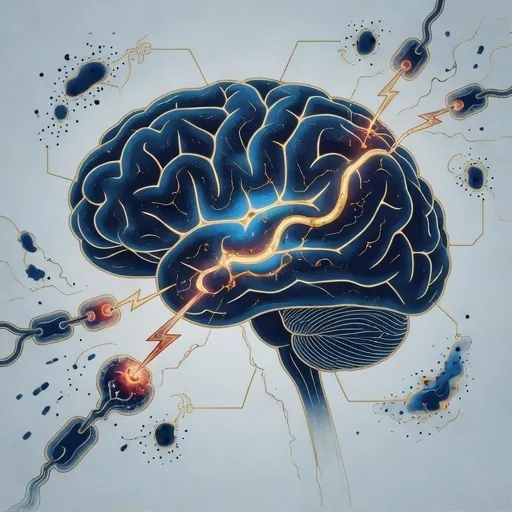
Modern neurobiological research (fMRI, PET, studies by van der Kolk, Yehuda, Lanius, and others) has identified key changes in the brain during trauma:
| Structure | Function | Changes in Trauma |
|---|---|---|
| Amygdala | «Alarm system» — threat detector | Hyperactivation → constant readiness for danger, even in safety |
| Hippocampus | Memory contextualization, distinguishing «then» vs «now» | Volume reduction of 5–26% → flashbacks feel as if happening right now |
| Prefrontal Cortex (PFC) | «Brake» — emotion regulation, rational assessment | Decreased activity → difficulties with self-control, impulsivity |
| Insula | Interoception — sensing the body from within | Hyperactivation → chronic bodily symptoms, somatization |
The «Triune Response» Model: when encountering a trigger, the «reptilian brain» (amygdala) activates the alarm signal; the hippocampus cannot contextualize — «that was then»; the prefrontal cortex «shuts down» and cannot calm. The person reacts as if the trauma is happening right now. EMDR therapy works to restore the connection between these structures.
5. Symptoms and Diagnostic Criteria — Comparison Table
| Symptom / Cluster | ASD | PTSD | cPTSD |
|---|---|---|---|
| Intrusive memories / flashbacks | ✓ | ✓ | ✓ |
| Nightmares | ✓ | ✓ | ✓ |
| Trigger avoidance | ✓ | ✓ | ✓ |
| Hypervigilance, startle response | ✓ | ✓ | ✓ |
| Dissociative symptoms | Often | In subtype | Often |
| Emotional dysregulation | — | — | ✓ (core) |
| Negative self-concept | — | — | ✓ (core) |
| Relationship disturbances | — | — | ✓ (core) |
| Somatization (bodily symptoms) | Possible | Often | Very often |
| Duration | 3 days – 1 month | > 1 month | Usually years |
| Suicidal thoughts | Rare | Possible | Often |
6. Paths to Healing: Scientifically Proven Methods
Modern evidence-based psychotherapy offers several methods with confirmed effectiveness for treating the consequences of trauma.
EMDR
The gold standard of PTSD therapy (WHO recommendation since 2013). Based on bilateral stimulation (eye movements, sounds, tapping) during the processing of traumatic memories. Allows the brain to «re-archive» unprocessed experience without detailed retelling.
Learn More About EMDR →TF-CBT (Trauma-Focused CBT)
Cognitive behavioral therapy adapted for trauma. Includes: psychoeducation, exposure (imaginal or in vivo), cognitive restructuring of traumatic beliefs, relaxation techniques.
DBT / Skills Training
Dialectical behavior therapy is especially effective for cPTSD with pronounced emotional dysregulation. Teaches skills: mindfulness, distress tolerance, interpersonal effectiveness, emotion regulation.
Group Therapy
Support groups and therapeutic groups reduce isolation and shame. «I'm not the only one» — a powerful healing factor. Often combined with individual therapy.
Pharmacotherapy
SSRIs (sertraline, paroxetine) — first-line medications for PTSD. Prescribed only by a psychiatrist . Medications do not treat the cause but reduce symptoms, making psychotherapy more accessible.
Body-Oriented Approaches
Yoga (especially trauma-sensitive yoga), Peter Levine's somatic therapy, mindfulness. Help restore connection with the body, reduce chronic tension, and increase interoceptive awareness.
7. The Role of EMDR in Trauma Therapy
EMDR therapy holds a special place in trauma treatment. It is one of two methods (along with TF-CBT) recommended by WHO as first-line therapy for PTSD (2013).
What EMDR Provides for Trauma:
- Does not require detailed retelling of the traumatic event — suitable for those who find it difficult to talk about their experience
- Processing at the neurobiological level — activates the natural information processing mechanism (AIP model — Adaptive Information Processing)
- Reduction of vividness and emotional charge of memories: what caused terror becomes «just a memory»
- Replacement of negative beliefs («I am guilty,» «I am helpless») with adaptive ones («I did everything I could,» «I survived and can move on»)
- Speed: for Type I monotrauma, improvement often occurs within 3–6 sessions

For cPTSD, EMDR is used in an adapted protocol: more time is devoted to the stabilization and resourcing phase before beginning the processing of traumatic material. cPTSD therapy is usually longer (from 6–12 months or more) and requires an integrative approach.
8. Center Specialists for Trauma Work
| Specialist | Trauma Specialization | Works With |
|---|---|---|
| Dmitry Volkov | Clinical psychologist, PTSD & cPTSD specialist | PTSD, cPTSD, consequences of violence, military experience, phobias, dissociative disorders |
| Ilya Tsar | EMDR therapist, CBT psychologist | PTSD, cPTSD, adverse childhood, emigration, shame and guilt |
| Vasily Serov | Psychiatrist, EMDR therapist | Severe forms of PTSD, trauma-related depressive episodes, medication support |
| Elena Orlova | Neuropsychologist, EMDR therapist | TBI consequences + trauma, neurocognitive impairments, childhood trauma |
| Anna Ivanova | Clinical psychologist, EMDR therapist | Anxiety disorders, panic attacks, consequences of traumatization |
9. Self-Help and Resources
Self-help does not replace professional therapy, but can be an important supportive strategy.
What You Can Do on Your Own
- Grounding: the 5-4-3-2-1 technique — name 5 things you see; 4 — you can touch; 3 — you hear; 2 — you smell; 1 — you taste
- Safe Place: visualize in detail a place where you feel calm and safe
- 4-7-8 Breathing: inhale for 4 counts, hold for 7, exhale for 8
- Physical activity: walking, swimming, dancing — any movement helps «discharge» the nervous system
- Journaling: writing down thoughts and feelings helps reduce rumination
What to Avoid
- Alcohol and psychoactive substances as a way to «switch off» — worsen symptoms in the long term
- Complete isolation — intensifies rumination and depressive symptoms
- Forced «talking through» the trauma without professional support — can lead to re-traumatization
- Ignoring symptoms in the hope that «it will go away on its own»
- Searching for a «magic pill» — healing from trauma requires time and consistent work
10. Frequently Asked Questions
Book a Trauma Consultation
First 20-minute consultation — free. Online or in-person. Message us to schedule: